
Microsoft 365 E7 Pilot Design for E5 IT Operators

An upgrade can expand enterprise AI access before your organization has proved it can control the resulting exposure. I design a pilot around a business decision: do the added capabilities justify their cost? The test is whether they do so without increasing data leakage, support overhead, or operational risk.
For organizations already administering Microsoft 365 E5, the engagement should test a defined workflow against existing controls and performance. I start with the licensing baseline, then establish what evidence leadership needs before approving rollout.
Key Takeaways
- Compare E7 against your actual E5 configuration, including any standalone Copilot or identity subscriptions you already purchase.
- Keep the pilot inside a controlled commercial tenant scope, with documented permissions, support ownership, and rollback procedures.
- Require measured workflow results, security test evidence, and a complete operating-cost model before expanding licenses.
A useful pilot produces a defensible investment decision. Installing more capabilities is only one part of that work.
Establish the E5 Licensing Baseline
Confirm what E7 adds
Microsoft 365 E7, branded the Frontier Suite, is an enterprise suite that includes Microsoft 365 E5, Microsoft 365 Copilot, Microsoft Entra Suite, and Agent 365. Microsoft’s E3, E5, and E7 comparison is the starting point for mapping assigned entitlements to the proposed license tier.
Check Microsoft’s current documentation for general availability, and record each selected capability as GA or preview. Bundle availability alone doesn’t establish the status of every associated feature.
Work IQ is the intelligence layer behind work-grounded Copilot experiences, not a separate SKU in this comparison.
Compare the right commercial starting point
Moving from E5 introduces a different value case than moving from E5 plus standalone Copilot. A Microsoft 365 E3 comparison also includes security and compliance capabilities your E5 environment may already have.
I reconcile assigned licenses, add-ons, renewal dates, and negotiated rates before calculating bundle savings.
Microsoft’s E7 product and pricing page lists current US annual-commitment pricing for Microsoft 365 E7; agreement rates can vary.
Published prices cover licensing only, not operating costs. Azure compute, model inference, and message consumption are billed separately, so I verify applicable charges and included allowances for each workload.
Design a Microsoft 365 E7 Pilot Around One Decision
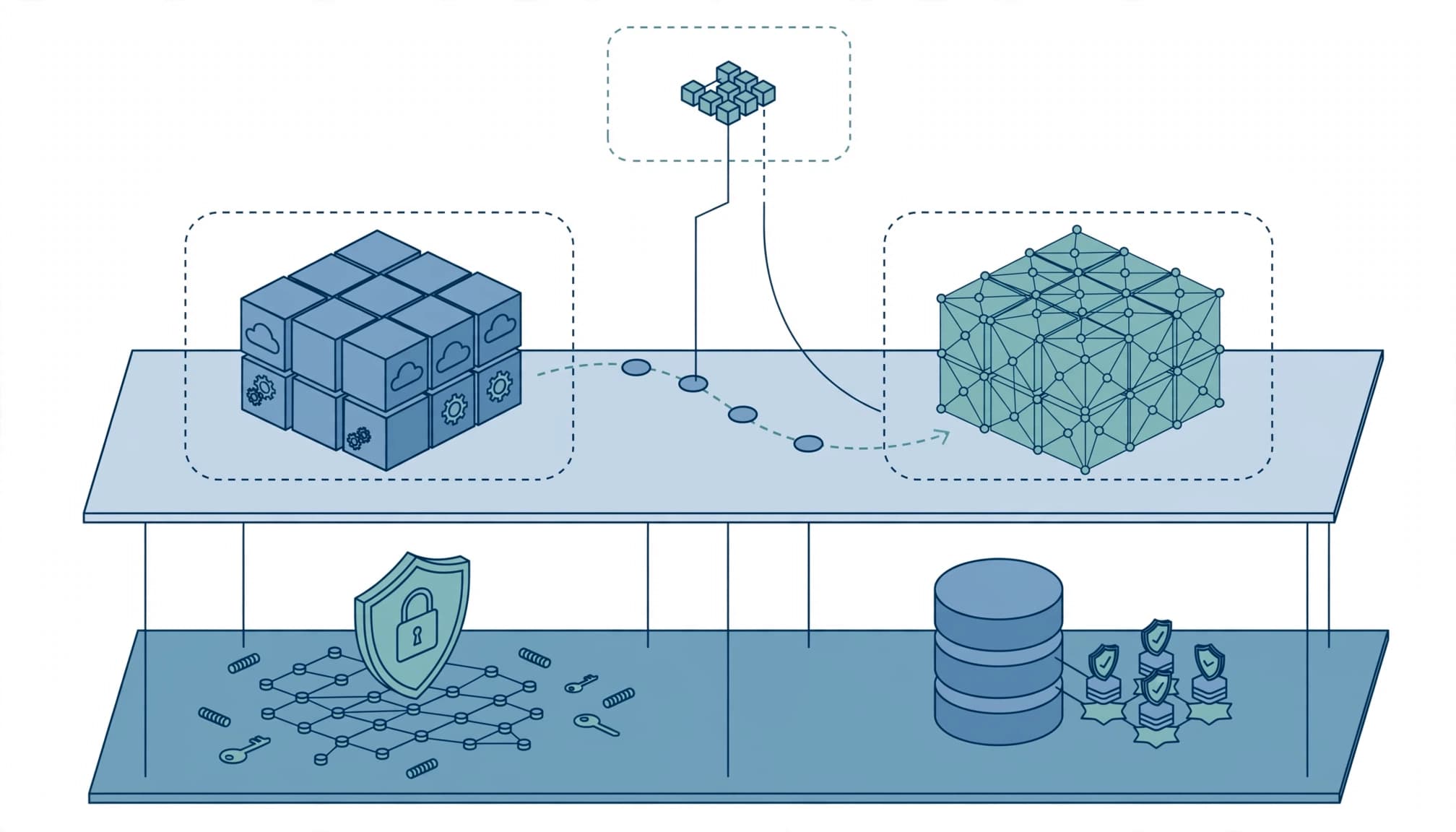
Choose a workflow with measurable friction
I select a workflow that already consumes staff time and has an accountable business owner. Document review, internal knowledge retrieval, or meeting follow-up can qualify, provided the organization can measure current performance.
The assessment records completion time, correction effort, approval requirements, and where sensitive information enters the process. If Copilot is already deployed alongside E5, its current results become part of the baseline. For a relevant, documented Copilot experience involving Work IQ, assess its results against the same measures.
Cohort size and duration follow the workflow’s frequency and risk. They should provide enough repeat observations without exposing unrelated departments.
Agree on success and stop conditions
Before configuration begins, I write acceptance criteria with the business owner and IT lead. These define success for the AI pilot, covering usable output, staff effort, permission boundaries, and support demand.
A result only counts as time saved after required human review. Otherwise, faster drafting can conceal additional correction work.
Stop conditions include unauthorized data access, unexplained consent changes, missing evidence, or repeated disruption. The pilot charter also names who can suspend testing.
This keeps the AI pilot tied to a purchase decision rather than an open-ended digital transformation program.
Assess Identity, Data, and Endpoint Readiness
Review access before widening AI use
My readiness assessment covers AI governance, privileged roles, guest access, stale accounts, group ownership, application consent, and hybrid identity dependencies. I also review identity and access controls, including MFA coverage, Conditional Access, emergency-access procedures, and joiner/mover/leaver processes.
Next, I inspect the SharePoint and Teams locations supporting the workflow. Broad permissions, obsolete sharing links, and unclear ownership become remediation findings.
Copilot works within access boundaries, so existing overexposure can become easier to discover. That creates commercial risk through customer data leakage, audit findings, and contractual disputes.
The client receives a prioritized risk report, ownership assignments, and a remediation roadmap before broader access proceeds.
Check the controls supporting the workflow
I assess endpoint security and device hardening alongside tenant controls. An unmanaged laptop can undermine an otherwise sound secure cloud architecture.
The review also covers Defender for Office 365 configuration, sensitivity labels, DLP policies, and audit logging and retention. I distinguish an existing policy from evidence that it works.
Where approved, testing checks whether representative sensitive content is handled correctly and whether operators can retrieve the necessary records. It also identifies unsupported scenarios.
These findings support cybersecurity services and insurance-renewal discussions without claiming that an E7 license resolves security gaps by itself.
Configure the Cohort Without Disrupting E5 Operations
A Microsoft 365 E7 license evaluation in an existing tenant is different from an Office 365 migration involving mailboxes or files. I separate those projects unless there is a documented dependency.
Before changing assignments, I export the cohort’s license state, service selections, group memberships, and relevant policy scope. The change plan records expected effects, validation steps, support contacts, and recovery actions.
Microsoft’s general licensing workflows support individual replacement and group assignment. They aren’t an E7-specific migration runbook, so I validate the chosen method against the tenant’s current licensing model.
If group-based licensing is already established, the pilot uses a controlled assignment group with clear ownership. I check overlapping assignments and service-plan differences before removing anything.
After assignment, testing covers sign-in, Exchange, Teams, OneDrive, and the selected AI workflow. User communications explain what changed and how to report problems.
Restoring an E5 license assignment doesn’t reverse every permission, connector, or policy change made during a pilot.
Therefore, rollback includes those changes separately. This protects business continuity and security while keeping helpdesk responsibilities clear. The controlled cohort and rollback plan inform whether deployment at scale is warranted.
The scope assumes a commercial tenant. GCC High availability or cross-tenant migration requires a separate review.
Separate Agent Governance From Runtime
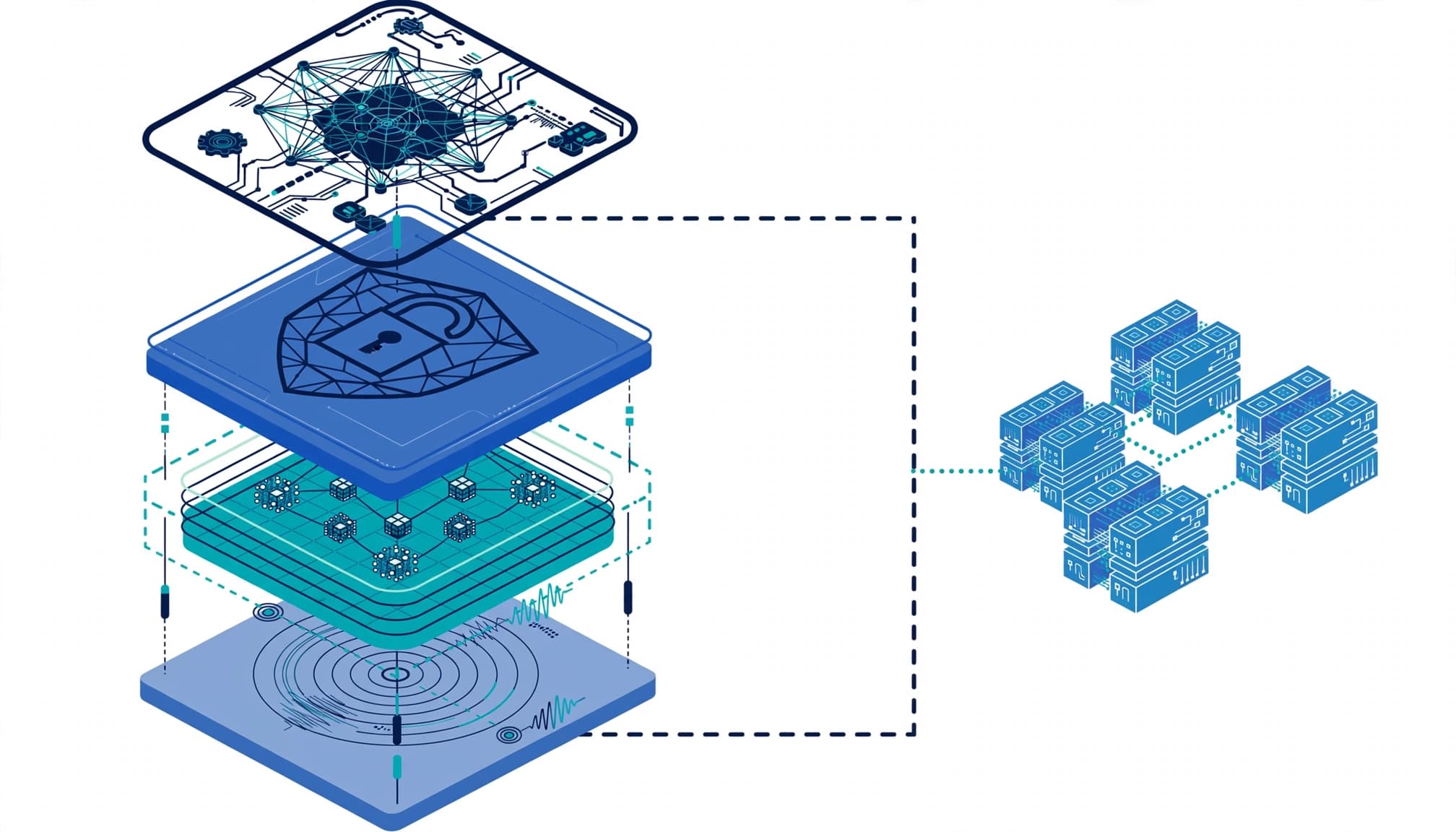
Test what operators can control
Agent 365 is a governance and control plane, not an agent runtime. Microsoft’s E7 and Agent 365 availability announcement confirms its general availability and inclusion in Microsoft 365 E7.
For selected autonomous agents, I verify supported inventory, ownership, access oversight, and monitoring as part of AI governance. Each needs an accountable owner, approved purpose, and documented data boundary.
Control testing covers denied-access cases, permission withdrawal, and the supported process for disabling an agent. I record which controls belong to the governance control plane and which require the identity system or execution platform. Work IQ stays distinct from agent execution, and I assess its role separately.
I check current Microsoft documentation to confirm each capability’s GA or preview status, keeping preview features outside business-critical acceptance criteria unless leadership accepts their limitations. That includes Copilot Cowork, which I don’t treat as available to the cohort unless verified.
Trace execution and consumption separately
The pilot architecture maps where autonomous agents execute, which connectors they use, and which services generate usage charges. Agent governance doesn’t establish those services’ billing terms.
I review billing scopes, available usage reporting, and ownership of consumption alerts. Because budgets and alerts may not stop execution, the runbook identifies available workload-specific limits and shutdown procedures.
This is cloud management work as well as governance. A license review alone cannot explain the operating exposure of connected cloud infrastructure.
Deliver Evidence for the Rollout Decision
At the end of a Microsoft 365 E7 pilot, the client should receive evidence that procurement, security, and operations can review together.
My engagement scope includes a licensing reconciliation, readiness report, approved configuration record, test results, and an operator runbook. The executive recommendation states whether to expand, remediate and retest, or stop.
I summarize the decision evidence in a compact scorecard.
| Decision area | Evidence delivered |
|---|---|
| Business value | Baseline and pilot results, including human review effort |
| Access control | Permission tests, exceptions, and unresolved findings |
| Operations | Support demand, recovery tests, and named owners |
| Investment | Enterprise license comparison, with consumption exposure assessed separately |
The recommendation follows the evidence rather than the bundle’s headline price.
I also separate repeatable gains from individual enthusiasm. A strong demonstration doesn’t prove that another department has suitable data permissions or the same workflow.
For approved expansion, the deliverable is a phased rollout plan with prerequisites, communication tasks, and support responsibilities. Infrastructure optimization and unresolved security remediation remain visible dependencies.
This gives an internal IT team or business technology partner a practical handoff. It also identifies which ongoing management tasks require additional capacity.
When This Engagement Isn’t Worth It
I don’t recommend an E7 pilot when leadership cannot name a workflow, owner, or measurable problem. Broader access won’t create those prerequisites.
Organizations using Microsoft 365 E5 plus standalone Copilot may need only a narrower assessment of identity and agent governance. Microsoft 365 E3 teams should confirm an E5 capability meets a real operational need before evaluating the bundle. Without one, a full bundle evaluation adds little.
Unresolved permissions, weak account lifecycle management, or unmanaged endpoints can make remediation the better first investment. The readiness assessment should identify those issues before configuration begins.
For smaller organizations using managed IT services, limited operating capacity matters as much as feature availability. A small-business IT strategy should prioritize controls the team can maintain.
An engagement is also unnecessary when internal staff already have the expertise and time to produce equivalent evidence. Outside help should fill a defined gap, not duplicate competent administration.
Frequently Asked Questions
What does Microsoft 365 E7 add to E5?
Microsoft 365 E7 includes Microsoft 365 E5, Microsoft 365 Copilot, Microsoft Entra Suite, and Agent 365. Compare these entitlements with your existing licenses and add-ons before estimating the value of an upgrade.
How should an organization measure an E7 pilot?
Test one defined workflow against a baseline, including completion time, correction effort, approval requirements, and support demand. Count time saved only after required human review, and agree on success and stop conditions before configuration begins.
Does an E7 license cover all AI workload costs?
No. Licensing prices don’t include every operating cost; Azure compute, model inference, and message consumption may be billed separately. Verify applicable charges, included allowances, and usage reporting for each workload.
What should be in place before expanding an E7 pilot?
Review identity, permissions, data locations, endpoint security, and the controls supporting the chosen workflow. Expand only when test evidence, named owners, support capacity, and a rollback plan support the decision.
Start With a Readiness and Licensing Review
I treat Microsoft 365 E7 as a controlled investment test with documented evidence. The useful outcome is a rollout decision that accounts for access risk, operating effort, and measurable productivity.
A low-pressure next step is a Microsoft 365 readiness and licensing review with RVA Tech Visions. Bring your E5 assignments, add-ons, renewal dates, and proposed workflow to determine whether a Microsoft 365 E7 pilot is warranted before committing to an upgrade.